
Less Tax For Dentists – Blog

Blog

Dental IRS Errors
Blog

Lower Dental IRS Errors with Jay Malik’s Chart Review Strategy

Why Chart Reviews Matter in Dental Tax Compliance Lowering dental IRS errors starts with one critical step. reviewing and understanding your dental practice’s chart of accounts. According to Jay Malik, many expensive IRS mistakes stem from poorly structured or misused chart entries. Your chart of accounts drives the way your income and expenses are categorized. If those categories are incomplete, redundant, or outdated, you’re likely misreporting figures to the IRS without even knowing it. A small oversight here can trigger red flags or audits later. Jay Malik’s Chart Review Strategy for Dental Practices Jay Malik’s chart review strategy focuses on aligning your entries with both tax law requirements and dental industry best practices. This isn’t a one-size-fits-all template. it’s about tailoring your accounts to reflect how your practice truly operates. Here’s what Jay typically advises during a chart review: Eliminate vague categories: Replace “Miscellaneous” and “Other” with specific, tax-deductible expense headers. Separate tax-relevant spending: Split business meals, travel, CE, and personal expenses distinctly to ensure proper deductions. Align with IRS standards: Use formatting and naming conventions that mirror how IRS agents evaluate dental filings. Link categories to KPIs: A solid chart supports the tracking of dental key performance indicators for profitability and growth. This method not only lowers the chance of IRS errors but also boosts your financial clarity. You’ll get cleaner Profit & Loss statements and more accurate end-of-year reporting. Common Chart Mistakes That Can Lead to IRS Errors Dentists often inherit or copy chart templates that don’t suit their practice structure. As Jay Malik often points out, “If your chart doesn’t reflect your actual operations, your numbers will lie.” Some common missteps he’s seen include: Mixing personal and business vehicle expenses in one category Grouping employee vs. contractor pay under one payroll category Not itemizing dental supplies vs. outpatient equipment Failing to log depreciation properly Each of these issues makes it harder to catch IRS reporting errors early. Worse, they can cause incorrect deductions, missed tax credits, or heightened audit risk. Benefits Dentists See from Strategic Chart Reviews A properly structured and regularly reviewed chart of accounts does more than reduce IRS errors. It serves as the foundation for effective tax strategies and smarter financial decisions. Benefits include: Cleaner books going into tax season More accurate deductions tied to dental equipment purchases Faster identification of overhead inefficiencies Actionable data for quarterly tax planning reviews For instance, when prepping a midyear review, your updated chart makes it easier to time purchases, adjust salaries, or evaluate expense allocation strategies. Take the Next Step Toward IRS Clarity Reviewing your chart isn’t just a bookkeeping cleanup. it’s a tax-protection strategy. If your current accountant isn’t treating it that way, it may be time to get a second opinion. Consider Jay Malik’s proven experience in helping dentists reduce costly filing issues. To get started, schedule a direct strategy meeting through this consultation link, and read more about structuring your dental books for maximum clarity in our post on why a proper chart of accounts matters. In Summary, Your Chart is More than Just Accounting Lower dental IRS errors with Jay Malik’s chart review strategy, and you’ll do more than avoid audit stress. You’ll gain the insight and accuracy every growing practice needs. As Jay always says, “Clean numbers make sharp decisions.” Don’t let messy records get in the way of your long-term success.


Dental IRS audit risk
Blog

Reduce Dental IRS Audit Risk with Jay Malik’s Quarterly Checks

Reduce Dental IRS Audit Risk with Jay Malik’s Quarterly Checks Why Quarterly Financial Reviews Matter for Dentists Reducing dental IRS audit risk isn’t about luck. It’s about consistent, intentional action. According to Jay Malik, one of the most overlooked ways dentists can protect themselves is by implementing **quarterly checks** on their financials. Many dental professionals only review their numbers once a year. That once-a-year approach invites errors, missed deductions, and audit triggers. Quarterly reviews deliver more than financial clarity. *They’re your first line of defense against the IRS.* How Quarterly Checks Reduce Dental IRS Audit Risk Regular check-ins with your financials help spot anomalies that could raise red flags with the IRS. Jay Malik recommends that dental practices schedule a strategic review every quarter. This gives you time to: Fix inconsistent coding in your profit and loss statement Catch late or missing documentation like receipts or contractor agreements Reclassify questionable expenses before they appear odd to the IRS Monitor income patterns that may trigger audits if they spike irregularly Practices that adopt this rhythm are far more likely to avoid penalties and interest charges. In fact, meeting with Jay Malik quarterly means you can make timing adjustments proactively, not reactively. Key Focus Areas During Each Review Jay suggests dividing your quarterly checks into targeted financial snapshots. Each one focuses on high-risk areas the IRS tends to examine: Wages and compensation reporting for accuracy and classification Large equipment and asset purchases for depreciation tracking Contractor vs employee statuses for 1099 compliance Expense reimbursement practices to prevent abuse To further strengthen protections, dentists can also review their wage structure. Learn more about smart salary planning in this guide on maximizing S-corporation income. Real Results from Real Dental Practices Jay Malik’s clients have seen noticeable financial improvements simply by integrating quarterly review sessions. One multi-location practice uncovered nearly $30,000 in missed deductions due to misclassified expenses. Another flagged high vehicle-related write-offs that would have sparked audit inquiry—but fixed them in time. If you’re unsure about whether you’re on track, consider getting a second review. Find out more in our post on how a second CPA review can reduce tax burden for dentists. Stop IRS Problems Before They Start Quarterly financial reviews serve as early-warning systems. They help prevent errors, improve deduction accuracy, and limit audit exposure. It’s not about doing more—*it’s about doing things on time*. Dentists who wait until April to sort through months of receipts and categorization mistakes are playing catch-up. As Jay Malik often reminds dentists, “Good tax hygiene starts with clean books. And clean books start with consistent reviews.” What to Do Next If you’re still relying on once-a-year tax prep, it’s time to upgrade your strategy. Pair your quarterly checks with: Monthly financial statements for data accuracy Practicing proactive reviews is the best way to prevent IRS scrutiny down the road. Want Jay Malik to review your numbers before the IRS does? Book a personalized session at LessTaxforDentists.com. Stay smart. Stay audited less. Your peace of mind is worth it.

Dental IRS Red Flags
Blog

Minimize Dental IRS Red Flags with Jay Malik’s Filing Method

The last thing any dental practice wants is an unexpected letter from the IRS. That’s why it’s essential to file taxes precisely and strategically. Using Jay Malik’s filing method can help dentists minimize IRS red flags and stay in full compliance while optimizing their returns. Understand What Triggers Dental IRS Audits Not all tax returns are treated equally by the IRS. Some filings automatically trigger closer scrutiny due to suspicious patterns. According to Jay Malik, dentists often fall into audit zones because of: High deductions without sufficient documentation Mismatched income reporting between personal and business returns Unusual changes in expense categories year-over-year Claiming a home office incorrectly or excessively Jay Malik’s filing method aims to eliminate these triggers from the start by verifying accuracy, supporting every claim with clear records, and filing at the right time. Jay Malik’s Filing Method Keeps You IRS-Ready Jay’s system isn’t just about filing paperwork. It’s a proactive approach built on careful documentation, timing, and smart communication between your tax advisor and your practice. His method helps ensure: Every deduction has a paper trail Business and personal income are properly separated Deductions are aligned with IRS expectations for dental practices Your tax documentation matches profit-and-loss reports For example, if you’re claiming equipment depreciation, Jay ensures it’s properly classified and recorded to reduce scrutiny. Learn more about depreciation strategies in this guide on dental tax depreciation. Smart Filing Timing Matters for Dental Practices One of the most overlooked aspects of filing is timing. Jay Malik’s approach includes “profit timing,” which helps dentists adjust cash flow and income recognition legally to avoid overpayments and misreporting. This method is covered in more depth in Unlock Dental Tax Savings Faster with Jay Malik’s Profit Timing. Filing too early without full quarterly data or too late without review causes missed opportunities and audit risk. Jay advises filing only when all numbers are reconciled and reviewed—preferably by a dental-specific tax professional. Link Profit Statements to Your Filing for Accuracy The IRS often compares tax returns to reported income trends in your industry. Filing without aligning your profit-and-loss statement could raise questions. Jay encourages quarterly financial reviews so your statements and tax returns match up. Review how that process works in this article on quarterly financial reviews. Get a Second Look on Your Filing Even experienced CPAs can miss things. Jay Malik routinely performs second CPA reviews to catch errors and potential red flags before filing. This check reviews documentation, allocation of income and deductions, and code compliance. Many practices benefit from a second CPA review annually. Take Action to Minimize Risk You don’t have to accept IRS scrutiny as part of doing business. Jay Malik’s filing method gives dental practices a checklist-driven, compliance-focused approach to filing with confidence. To schedule a review or learn more, visit Less Tax for Dentists or JayMalik.com today. With the right expertise, smart filing timing, and proactive practices, you can not only minimize dental IRS red flags but also maximize your financial clarity and peace of mind.

Dental payroll taxes
Blog

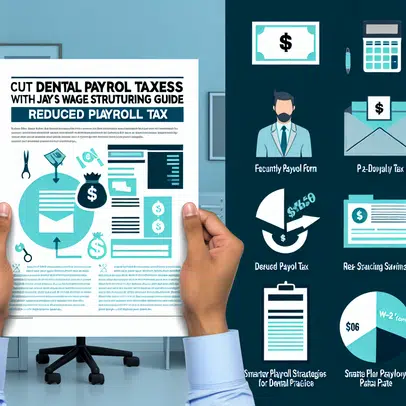
Cut Dental Payroll Taxes with Jay Malik’s Wage Structuring Guide

Running a successful dental practice means managing clinical work and business costs. One area where dentists often overpay unknowingly is payroll tax. *Cut dental payroll taxes with Jay Malik’s wage structuring guide*, and you’ll discover how proper planning can save thousands each year. Jay Malik has helped hundreds of dental professionals legally and efficiently reduce their payroll tax liabilities without cutting staff or compromising quality of care. Why Payroll Taxes Add Up Quickly for Dentists Dental practices typically hire hygienists, assistants, front desk staff, and office managers. Each W-2 employee adds to your Social Security and Medicare tax obligations. Dentists also pay FUTA and state unemployment taxes. Traditional accountants often default to standard compensation models. But according to Jay Malik, these default settings almost always result in overpayment. Understand the Power of Strategic Compensation With a smarter wage structuring strategy, you can re-classify some payments, shift compensation forms, or allocate earnings more effectively. Common issues include: Paying yourself too high a W-2 salary in an S Corporation Offering bonuses the wrong way Failing to use pretax benefits strategically For example, Jay Malik often recommends that dentists review their compensation split between wages and S Corp distributions. This adjustment alone can reduce payroll tax by thousands while staying fully compliant. Pro Tips from Jay Malik’s Wage Structuring Guide Here are some foundational steps from Jay Malik’s proven system: Assess W-2 Salary Accuracy. Many dentists are paying themselves too much as W-2 income. The IRS guideline says “reasonable compensation,”* but that doesn’t mean defaulting to market rates that invite over-taxation. Use Accountable Plans. Reimburse employees for business-related expenses like travel or continuing education through accountable plans. These aren’t counted as wages and won’t trigger payroll taxes. Consider Section 125 Cafeteria Plans. Offering pre-tax benefits like health insurance or retirement contributions reduces taxable income for employees while lowering your payroll tax costs. These methods are easier than most dentists believe. Working with a dental-specific tax advisor can ensure proper documentation and compliance. Real Practices. Real Savings. As Jay Malik shared with one of his clients in Texas, a solo dentist switched to a mixed comp strategy using the wage structuring guide. The result? Over $12,000 saved in payroll taxes in the first year alone. This isn’t theory. It’s tested strategy from someone who knows dental practice inside and out. Combine Payroll Strategy with Other Dental Tax Savings Wage structuring doesn’t stand alone. Maximize your savings by reviewing your entity setup, expense categorization, and equipment purchases. Jay’s full system includes insights like: Save Dental Practice Taxes with Jay Malik’s Legal Entity Review Cut Dental Overhead Taxes with Jay Malik’s Expense Allocation Plan Maximize Dental S Corporation Income with Smart W2 Salary Strategies Each one connects to a larger tax-saving ecosystem tailored by Jay for U.S.-based dental practices. Start Reducing Payroll Taxes Today Don’t wait for tax season to think about payroll. The best results come from proactive mid-year planning. And Jay Malik is ready to help you get started with a custom wage structuring review. Schedule a private consultation with Jay by visiting this link or explore more at lesstaxfordentists.com. There’s no reason to overpay the IRS on payroll. With the right strategy, those savings stay where they belong—in your practice.

Dental tax savings
Blog

Unlock Dental Tax Savings Faster with Jay Malik’s Profit Timing

**Unlock Dental Tax Savings Faster with Jay Malik’s Profit Timing** Why Profit Timing Is Key to Dental Tax Savings Unlocking dental tax savings faster begins with how you *time* your profits. Many dentists focus on top-line growth but forget that *when* and *how* income is recognized can significantly affect their tax burden. According to Jay Malik, effective profit timing can boost cash flow and reduce year-end surprises. A common issue in dental practices is reporting too much income in a high-tax year without using available deferrals or deductions. Profit timing is the strategy of controlling how income and expenses align across periods to legally reduce taxable income. Jay Malik’s approach helps dentists structure collections, bonuses, and capital purchases to optimize tax results. How Jay Malik Helps Dentists Control Profit Timing Dental professionals often get hit hardest when they don’t plan ahead. Jay Malik advises practices to manage profit timing through intentional structuring of cash inflows and outflows. That includes: Deferring revenue from elective services strategically Accelerating deductible expenses like lab fees or equipment maintenance Timing year-end purchases for maximum deductions Managing W-2 salaries and S Corporation distributions smartly These techniques align earnings with deductions, avoiding spikes in net income that trigger higher tax brackets or phase-outs of credits. For example, some dentists overpay taxes unknowingly by collecting patient payments in December rather than January. A slight shift in timing could save thousands in taxes. Make Profit Timing Part of Year-Round Tax Planning Jay Malik emphasizes that dental tax planning shouldn’t begin in April. It should start in January. When dentists track profit throughout the year, they can: Identify quarters where taxable income runs high Implement mid-year strategies to smooth income Plan equipment purchases before deductions expire This aligns with ideas explored in strategic year-end planning and timing equipment purchases. Following Jay Malik’s guidance, dentists turn tax season from reactive to proactive. Tools and Structures That Support Smart Profit Timing To effectively use profit timing, you need the right systems. Dentists working with Jay Malik often review their financial statements every month. This allows them to act fast if profit patterns start to creep over target levels. It also helps to have the right legal and financial structure in place. Jay frequently recommends reviewing your practice’s entity status, such as in his Legal Entity Review, and setting up a clean Chart of Accounts for precise tracking. Improve Cash Flow While Saving on Taxes Using profit timing doesn’t just lower taxes. It also frees up money for reinvestment. That could mean funding your retirement plan, expanding your office, or even just cushioning your reserves. Want to see how profit timing could work in your practice? Schedule a consultation with Jay Malik to evaluate your current tax flow and discover what’s possible. Take the First Step Toward Strategic Tax Control Dentists leave money on the table when they only focus on tax deductions. Jay Malik’s profit timing approach is about controlling *when* you show profits—not just what you deduct. Combined with other strategies like expense allocation and accelerated depreciation, it forms a complete system for year-round savings. If your dental practice is growing, don’t let taxes steal your momentum. Start managing profits with strategy and precision. Unlock smarter tax outcomes through planned profitability with the help of Jay Malik.

Dental tax depreciation
Blog

Slash Dental Tax Bills Fast with Jay Malik’s Depreciation Method

Slash Dental Tax Bills Fast with Jay Malik’s Depreciation Method How Dental Equipment Depreciation Can Slash Tax Bills Dentists often overlook strategic ways to cut their tax liability, but *Jay Malik’s depreciation method* is a powerful tool to do just that. By applying the right depreciation approach to dental equipment, operatory furnishings, and technology investments, many practices can write off thousands in taxes much faster than they realize. According to Jay Malik, understanding the IRS depreciation rules isn’t just about compliance. It’s about unlocking a financial advantage that most general accountants miss. What Is Depreciation and Why Dentists Should Care Depreciation lets you deduct the cost of assets used in your practice over time. Instead of taking a single deduction in the year of purchase, you spread the cost across several years. But here’s the catch: dentists don’t have to wait that long. Jay Malik often helps dental practices leverage accelerated depreciation methods such as: Section 179 Deduction: Deduct up to $1,160,000 (2023 limit) of equipment and technology purchases in the year they’re placed in service. Bonus Depreciation: Currently allows an immediate 80% write-off on qualified assets—dropping yearly, so timely planning is key. MACRS Method: The Modified Accelerated Cost Recovery System lets you shorten recovery periods for dental-specific assets. By applying these tools correctly, dentists can significantly reduce their taxable income. When and How to Use Jay Malik’s Depreciation Method Timing can make or break tax savings. Jay Malik recommends reviewing planned equipment purchases in Q4, especially if your practice is projected to be in a higher tax bracket this year. This is essential for maximizing deductions before year-end closes. For example, if you purchase new imaging software or dental chairs in November, placing them into service before December 31st could allow you to write off most of the expense immediately. Jay also suggests combining depreciation strategies with broader tax planning moves, such as: Using vehicle deductions in tandem for patient transport equipment. Timing purchases with advice from a specialized dental accountant rather than a general CPA. Bundling upgrades as part of a year-end tax reduction strategy. Common Depreciation Missteps Dentists Make Many dentists mistakenly spread deductions over too many years or overcapitalize low-cost items that can be expensed outright. Others don’t track asset placement dates correctly, possibly missing out on year-specific deductions. Another common issue is relying on generic accounting software or outdated advice without reviewing tax laws that change annually. For example, bonus depreciation rates are currently phasing out, which makes expert timing even more critical. To avoid these traps, Jay Malik suggests getting a second opinion on prior asset schedules. Learn more about this process in the post on second CPA reviews. Act Before Year-End to Maximize Depreciation Benefits Time-sensitive planning is crucial. With bonus depreciation decreasing annually and Section 179 thresholds subject to change, dentists should act now. Jay Malik encourages practice owners to schedule a meeting to optimize purchase timing and tax treatment before December 31. Interested dentists can book a call with Jay Malik here to build a depreciation schedule that slashes taxes fast and supports long-term growth. Looking for More Ways to Save? Explore related strategies on how to save with smart equipment purchases, avoid filing mistakes dentists make every year, and unlock pre-April 15 tax tactics. Start applying Jay Malik’s depreciation method today, and keep more of what you earn.

Dental Practice Taxes
Blog

Save Dental Practice Taxes with Jay Malik’s Legal Entity Review

Save Dental Practice Taxes with Jay Malik’s Legal Entity Review Choosing the right business entity is more than a formality. It’s a powerful way to save dental practice taxes, especially when guided by an expert like Jay Malik. Most dental professionals are unaware that the wrong legal structure can silently drain thousands in unnecessary taxes every year. According to Jay Malik, reviewing your legal entity choice could be one of the most cost-effective tax planning steps available to practice owners. Why Your Entity Choice Matters for Tax Savings Your legal entity determines how your dental practice is taxed. Whether you operate as a sole proprietorship, an LLC, a partnership, or an S Corporation, each comes with unique tax rules. Jay Malik often explains that *the right entity can unlock strategic tax deductions, reduce payroll taxes, and optimize how you take income*. For example, many dentists delay switching to an S Corporation and miss out on saving self-employment tax on distributions. Signs It’s Time for an Entity Review If any of the following apply, a legal entity review could lead to significant tax savings: Your income has grown significantly in the past 1-2 years. You’re paying high self-employment taxes. Your current structure limits retirement contributions or deductible fringe benefits. You’re unsure how much of your income should be W-2 salary vs. owner draw. This review isn’t about changing your structure just for the sake of it. It’s about aligning your tax strategy with how your practice actually operates. How Jay Malik Approaches Legal Entity Reviews Jay Malik brings decades of tax planning experience to every dentist he advises. His entity reviews don’t just look at your current tax situation. He looks at your practice goals, growth trajectory, and long-term wealth strategy. Here’s what a typical review includes: Analysis of your current entity’s impact on your profit, payroll, and distributions. Comparison of S Corporation, LLC, and other structures for your specific needs. Suggestions to restructure or adjust how income is categorized and reported. In many cases, clients also combine this review with other tactics, like optimizing W-2 salary allocations or implementing dentist-specific retirement plans, as covered in Maximize Dental S Corporation Income with Smart W2 Salary Strategies and Best Retirement Plan Options for Dental Practices in the USA. Reducing IRS Risk While Maximizing Savings A legal entity change needs to be done properly. The goal isn’t just savings. It’s also compliance. Jay Malik ensures your structure is defensible if the IRS comes knocking. That’s why he pairs entity reviews with strong recordkeeping and filings. For example, if you’re switching from a sole proprietorship to an S Corp, you also need to carefully document owner salaries and ensure clean financial books. These steps align with tips found in Cut Dental Tax Stress with Jay Malik’s Proactive Filing Tips. Take Action Early to Maximize Results Jay Malik advises dentists to complete a legal structure review *before* year-end when implementation is easier and more tax-efficient. By planning ahead, you gain time to rearrange draws, salaries, and strategic deductions in a way that’s fully compliant and IRS-friendly. Book a Tax-Saving Entity Review Today If you haven’t reviewed your legal entity in the past 12 months, you may be leaving large tax savings on the table. Jay Malik’s proven review process helps dentists across the U.S. reduce taxes, increase take-home income, and protect their practices financially. Schedule your personalized consultation now through the official portal at LessTaxForDentists.com. Also explore more ways to reduce tax burden in related articles like The Dental Practice Entity Playbook, Cut Dental Overhead Taxes with Jay Malik’s Expense Allocation Plan, and How a Second CPA Review Can Reduce Dentists’ Tax Burden. Making the right entity choice can mean the difference between losing money to the IRS or keeping it in your practice. Let Jay Malik guide you toward smarter structures and lower taxes.

Cut Dental Overhead Taxes
Blog

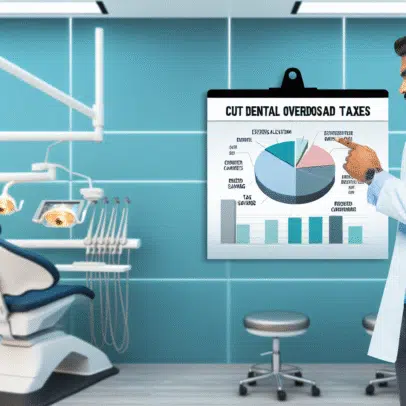
Cut Dental Overhead Taxes with Jay Malik’s Expense Allocation Plan

Cut Dental Overhead Taxes with Jay Malik’s Expense Allocation Plan One of the most overlooked ways to cut dental overhead taxes is through smarter expense allocation. According to Jay Malik, strategic expense categorization can not only reduce your tax burden but also give you clearer insights into how your dental practice operates financially. What Is Jay Malik’s Expense Allocation Plan? Jay Malik’s plan focuses on identifying and correctly allocating deductible business expenses in a way that optimizes tax savings without triggering red flags from the IRS. This includes common overhead items like supplies, rent, utilities, and staff wages, but also goes further—reclassifying and adjusting entries to maximize benefits. More importantly, this method requires accurate bookkeeping and consistent financial reviews. Categories must be correctly divided between direct costs (those tied to patient care) and indirect costs (overhead). This is where many dentists fall short, paying more than they should. How Better Expense Allocation Reduces Tax Liabilities Improper expense tracking often leads to write-offs being missed or categorized incorrectly. Jay Malik’s expense allocation plan helps dental professionals: Maximize deductions by shifting qualifying overhead into appropriate buckets Identify disguised personal expenses that can be legitimately reimbursed through the practice Distinguish between capital expenses and operational costs, which impacts the timing of deductions Take equipment costs, for example. Jay often advises using Section 179 for eligible purchases, but only if it aligns with your current year’s profitability. If not, expensing it over time may be the better route. Learn more about this in Timing Equipment Purchases to Cut Year-End Dental Tax Bills. Tips to Implement Expense Allocation in Your Dental Practice Implementing this strategy doesn’t mean reinventing your whole system. Start with small, consistent changes. Create a categorized chart of accounts tailored for a dental-specific setup. Not sure where to start? Check out Why Your Dental Practice Needs a Proper Chart of Accounts. Review financials monthly to catch miscategorized or missing expenses early. This is especially important for tracking utilities, supplies, and recurring fees. Schedule quarterly reviews to adjust tax strategies throughout the year. Read Why Dentists Should Review Practice Financials Everyone Quarter for more insights. Use a second CPA review to ensure nothing is slipping through the cracks. Learn more in How a Second CPA Review Can Reduce Dentists’ Tax Burden. According to Jay Malik, dentists who embrace this structured approach often uncover thousands in previously unused deductions simply by fine-tuning their expense reports. Expense Allocation Helps Cut Overhead—Without Cutting Corners Cutting dental overhead taxes doesn’t mean sacrificing patient care or employee satisfaction. Instead, it’s about using smarter strategies to align finances with the realities of your practice. When implemented correctly, the right allocation plan can: Improve cash flow year-round Lower audit risk through accurate records Clarify spending trends for better business decisions Jay Malik’s clients consistently report feeling more confident heading into tax season—and less stressed throughout the year. Ready to Optimize Your Overhead? Don’t let unclear expense tracking sabotage your tax strategy. Schedule a time to speak directly with Jay Malik at LessTaxForDentists.com and discover how tailored tax guidance can put more money back into your practice. To explore more expert strategies, see how Jay Malik helps dentists thrive with 2025 tax planning tips and how to use vehicles in your practice to maximize tax savings. Start allocating smarter. Pay less tax. Grow your dental practice with clarity.

Stop IRS Interest Charges
Blog

Stop IRS Interest Charges Early with Jay Malik’s Proven Tactics

Stop IRS Interest Charges Early with Jay Malik’s Proven Tactics No dentist wants to open a letter from the IRS and see surprise interest charges. These costs can quietly grow over time, eating into your dental practice’s profits. That’s why it’s crucial to stop IRS interest charges early using the proven tactics Jay Malik has shared with hundreds of dentists nationwide. Jay Malik often reminds dental professionals that IRS interest is not a simple late fee. It compounds daily on both the tax owed and any penalties not yet paid. This makes early action essential to protect your cash flow. Understand Where IRS Interest Starts Many dentists assume they’re safe as long as they file on time. But as Jay Malik explains, IRS interest begins from the due date of the return if any taxes are unpaid. This means even filing a return without paying in full can trigger interest. Some common triggers include: Underestimating your quarterly tax payments Incorrect W-2 salary setup in an S Corporation Failing to deduct eligible business expenses like vehicle or home office use To stay ahead, dentists should work with specialized professionals who understand dental practices’ financial rhythms. Break the Interest Cycle With Smart Estimates One of Jay Malik’s top tactics is adjusting your estimated tax payments to reflect current income shifts. For example, an expanding practice may cross a tax bracket mid-year. Waiting until April can result in a big underpayment, triggering both penalties and rising interest. Instead, proactively monitor income and: Recalculate quarterly estimates with anticipated collections and expenses Automate payments through the Electronic Federal Tax Payment System (EFTPS) Reassess W-2 salary vs. S Corp distribution for maximum efficiency Learn more about setting W-2 strategy in your dental S Corporation by reading this post on smart salary strategies. Fix Interest-Triggering Mistakes Before They Compound Filing late and making calculation errors are two of the biggest causes of IRS interest for dentists. As Jay Malik explains, dentists often unknowingly leave deductions on the table or misclassify expenses, which inflates liability. To prevent that: Have a second CPA review to catch issues early Organize expenses with a dental-specific chart of accounts File taxes proactively, not just on time Explore how you can avoid common filing pitfalls in our post on filing mistakes dentists make. Take Advantage of IRS Payment Options Wisely If interest has already started, Jay Malik suggests negotiating early. The IRS offers installment plans, but the longer you wait, the more interest racks up. Reach out as soon as you recognize a shortfall. In serious cases, you may qualify for penalty abatement or an Offer in Compromise. But Jay emphasizes that these remedies work best when supported by accurate books and a strong case. Reviewing monthly financials helps build that foundation. Here’s why monthly reviews matter. Work With a Dental Tax Expert Before Interest Starts Stopping IRS interest charges early requires more than a general accountant. You need someone who understands how equipment deductions, retirement plans, and employee classifications fit into your unique situation. Jay Malik’s firm specializes in helping dentists take proactive control of their tax timeline and financial growth. Schedule a consultation with Jay Malik today through this meeting link.

IRS penalties audit defense
Blog

Stop Overpaying IRS Penalties with Jay Malik’s Audit Defense Tips

Stop Overpaying IRS Penalties with Jay Malik’s Audit Defense Tips If you’re a dentist running a busy practice, the last thing you want is to get hit with unexpected IRS penalties. But it happens more often than it should, simply because most dental professionals don’t realize how audit defense can save them thousands. *Stop overpaying IRS penalties* by setting up smarter systems—and leaning on expert audit strategies from Jay Malik. Understand Why the IRS Targets Dental Practices Dental practices are cash-generating businesses. That alone puts you on the IRS radar. Add in high write-offs for equipment, staff bonuses, or mixed-use vehicles, and an audit becomes more likely. As Jay Malik often points out, dentists frequently get penalized for: Misclassified employees or contractors Overstated deductions without receipts Improper depreciation on high-value purchases Missing quarterly estimated payments Each audit-trigger increases your risk of a costly penalty—one that could have been prevented with simple compliance. Audit-Proof Your Dental Practice Step by Step Keeping clean books isn’t enough. You need proactive audit defense strategies tailored to your practice. Here’s how Jay Malik recommends you protect yourself: 1. Keep Documentation Year-Round Don’t just scramble at tax time. Maintain receipts, payroll records, mileage logs, and equipment purchase docs consistently. According to Jay Malik, this is key to defending against common audit red flags. Need help tracking expenses correctly? Read: How to Track Business Expenses for IRS Audits Effectively. 2. Conduct a Second CPA Review Even if you already work with an accountant, a second review from a dental-focused CPA can uncover missed risks. Learn more in How a Second CPA Review Can Reduce Dentists’ Tax Burden. 3. Stay Ahead of Filing Deadlines Late filings are an easy target for penalties. Jay Malik’s proactive filing approach helps minimize delays and keeps estimated taxes in check. Get stress-free filing tips here: Cut Dental Tax Stress with Jay Malik’s Proactive Filing Tips. What to Do If You’re Already Under Audit Don’t panic. According to Jay Malik, dentists who respond quickly and provide clear substantiation often reduce or eliminate penalties. You should: Respond in writing with full documentation Avoid emotional or reactive communication with the IRS Seek professional dental audit defense immediately Securing an experienced tax advocate can significantly reduce what you owe. Book a consultation with Jay Malik directly here. Bonus Audit Defense Tip: Use a Specialized Dental Chart of Accounts Using a default chart of accounts can blur your expenses, making audits tougher. A proper dental-specific chart of accounts categorizes income and deductions accurately. Discover why it matters: Why Your Dental Practice Needs a Proper Chart of Accounts. You Can Take Control Over IRS Penalties *Stop overpaying IRS penalties* by putting systems in place that catch issues before the IRS does. With audit defense insights from Jay Malik, you’ll avoid unnecessary stress and keep more of your hard-earned money where it belongs—in your practice. For tailored audit defense or proactive tax planning, visit jaymalik.com or explore our resources at LessTaxForDentists.com. Need a tailored plan? Book a meeting with Jay Malik today and secure your peace of mind.