
Less Tax For Dentists – Blog

Blog

dental practice chart of accounts
Blog

Why Your Dental Practice Needs a Proper Chart of Accounts

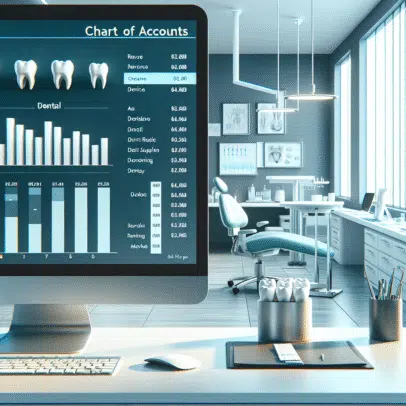
Running a dental practice isn’t just about bright smiles and healthy gums. Behind the scenes, successful offices have something else in common—a proper chart of accounts. If that term sounds confusing, don’t worry. We’re going to break it down and explain why it matters more than you might think. What Is a Chart of Accounts? Think of a chart of accounts like a well-organized filing cabinet for your finances. It helps you categorize where your money is coming from and where it’s going. You’ll have different folders—or accounts—for things like: Income (from dental services, hygiene appointments, etc.) Expenses (like rent, supplies, payroll) Assets (equipment, accounts receivable) Liabilities (loans, credit card balances) Equity (your investment and retained earnings) Without this system in place, your practice’s financial health can get messy fast. Why Does Your Dental Practice Need One? Imagine trying to run your office without knowing exactly what you’re earning—or spending. That’s like driving with your eyes closed. 1. Track Your Practice’s Performance With a chart of accounts, you can quickly see how profitable your practice is. Want to know how much you spent on dental supplies last month? Or how much you earned from check-ups versus cosmetic procedures? With proper categories, it’s all there at your fingertips. 2. Make Tax Season Easier Let’s be honest—taxes can be stressful. But when your financial data is organized from the start, your CPA (and you) will have a much easier time. A solid chart of accounts ensures your deductions are accurate and nothing slips through the cracks. 3. Spot Issues Before They Grow Overspending on temporary staff? Lab fees creeping up? If your accounts are well-organized, these red flags are easier to spot—and solve—before they hurt your bottom line. 4. Support Growth and Strategic Decisions Thinking of opening a second location or investing in new equipment? Clear financial data helps you make smart decisions based on facts, not gut feelings. Common Mistakes (and How to Avoid Them) Here are a few things dental practices often get wrong: Using a generic chart of accounts borrowed from another industry—dentistry is unique, and your finances should reflect that. Overcomplicating the categories—you want it detailed but not overwhelming. Not updating accounts regularly as your practice grows or changes. Tip: If you’re not sure how to set it up, work with a dental CPA or bookkeeping software tailored to dental offices. Final Thought: It’s Not Just for Accountants A proper chart of accounts isn’t just for tax season or your bookkeeper. It’s a tool you can use year-round to keep your dental practice financially healthy and successful. So, does your dental office have a proper chart of accounts? If not, now’s the perfect time to get organized—and set your business up for future growth. Remember: Behind every thriving dental practice is a chart of accounts doing the hard work quietly in the background. It’s not glamorous, but it’s essential.


dental practice KPIs
Blog

Track Key Dental Practice KPIs in Profit and Loss Statements

Why Dental Practice Owners Should Care About KPIs If you own or manage a dental practice, you probably spend most of your time focused on patients. But what about the financial side? Are you keeping an eye on the numbers that really matter? That’s where KPIs (Key Performance Indicators) come in. More specifically, tracking KPIs in your Profit and Loss (P&L) statement can help you run a healthier, more profitable practice. Think of KPIs as your business’s vital signs—you don’t want to ignore them! What Is a Profit and Loss Statement? Before we dive into dental KPIs, let’s make sure we understand the basics. A Profit and Loss (P&L) statement, also known as an income statement, shows your revenue, expenses, and profit over a certain period of time—monthly, quarterly, or yearly. It’s like a report card for your practice’s financial health. So where do KPIs fit into all this? Great question. Dental KPIs You Should Be Tracking Your P&L statement is more than just numbers on a page. It holds valuable insights. Here are the key dental KPIs to track regularly: Production per Provider: How much is each dentist or hygienist generating? This helps compare team performance and set fair goals. Collections Ratio: Are you actually collecting what you produce? Your collections ratio tells you how effective your billing and insurance processes are. Overhead Percentage: This tells you what portion of your revenue goes to expenses. For most practices, it should be under 65%. Net Profit Margin: This is what you take home after all expenses. A healthy practice aims for a 30% or higher net profit margin. New Patient Acquisition: How many new patients are coming in each month? This affects both short-term revenue and long-term growth. Case Acceptance Rate: Are patients saying yes to treatment plans? Low rates could mean a communication issue. How to Read Your P&L Like a Pro Looking at rows of numbers can feel overwhelming. Here’s a simple way to approach it: 1. Start with top-line revenue — how much total money came in. 2. Move down to expenses like payroll, rent, supplies, and lab fees. 3. Compare your net profit to your goals from previous months. Now, look side-by-side at those KPIs. Is your collections rate improving? Is your overhead creeping up? These little clues give you the full picture of your practice’s financial performance. Put Your KPIs into Action It’s not enough to just track these KPIs — you need to act on them. Ask yourself: Do I need to adjust fees or reduce costs? Is it time to hire another hygienist based on production levels? Can front desk staff improve collections with better follow-up? Small tweaks can make a big impact. In fact, when Dr. Lisa, a family dentist in Ohio, started reviewing her P&L monthly and watching her KPIs, she noticed her supplies cost had silently spiked. A quick switch in vendors saved her over $900 a month! Final Thoughts: Numbers Can Work for You At first, tracking KPIs in your profit and loss statement might seem like a job for accountants. But once you get the hang of it, these numbers become your best business allies. They show you what’s working, what’s not, and where your money is going. And just like brushing and flossing, staying on top of your dental KPIs can prevent a lot of future problems. So grab that P&L report, sit down with a cup of coffee, and start exploring. Your practice’s future may depend on it.

lower dental practice taxes
Blog

Lower Your Dental Practice Taxes by Getting a Second Review

Are You Paying More Taxes Than You Should? Running a dental practice isn’t just about healthy smiles—it’s also about healthy finances. If you’re like most dentists, you focus hard on patient care and trust your CPA to handle the numbers. But what if you’re missing out on legal tax savings? Here’s the good news: getting a second opinion on your taxes can uncover significant savings you didn’t know existed. Why a Second Review Matters Think about this—would you settle for a single opinion on a major dental diagnosis? Probably not. So why do the same with your taxes? A second review of your dental practice taxes can help you: Catch deductions you might have missed Find outdated or incorrect filing strategies Ensure you’re using the best tax methods for your type of practice Small mistakes or overlooked opportunities can add up to thousands of dollars each year. That’s money that could be reinvested into your practice—or even into your next well-earned vacation. Common Tax Mistakes Dental Practices Make Even experienced CPAs can miss the finer details unique to dental practices. Here are a few errors that show up time and time again: Not classifying associates or hygienists correctly — Employee vs. contractor classifications matter. Missing write-offs for equipment — Especially for expensive machinery like X-ray units or dental chairs. Overpaying self-employment tax — Entity structure impacts how much you owe. Ignoring cost segregation studies — These can speed up depreciation and lower your taxable income. If these sound complicated, don’t worry. That’s the exact reason a second review can be so valuable. A Real-World Example One dentist in Ohio thought everything was fine until they got a second review. Their new advisor found missing deductions for continuing education and underutilized depreciation on their newly renovated office. The result? They saved over $35,000 in taxes that year alone. This isn’t a one-off story. It happens more often than you’d expect—all across the United States. How to Get a Second Opinion on Your Taxes You don’t have to fire your current CPA to get another set of eyes on your taxes. Many financial experts offer complimentary or low-cost tax reviews especially tailored to dental professionals. Here’s what you should bring: Last 2–3 years of tax returns Business entity information List of major purchases or expenses Within a short analysis, a skilled reviewer can point out areas you may be overspending—or under-deducting. Final Thoughts: Your Smile Deserves a Break… So Does Your Wallet Just like your patients trust you to spot trouble before it becomes painful, your bottom line deserves the same attention. Tax laws change, deductions get missed, and no CPA is perfect. Ask yourself this: What are you leaving on the table? If your dental practice hasn’t had a tax second opinion in the last few years, now is the time. It’s a simple move that could lead to big savings—without adding stress to your already busy life. So go ahead, give your finances the same care you give your patients. You just might smile a little bigger at tax time.

review dental practice financials
Blog

Why Dentists Must Review Practice Financials Quarterly in the US

Running a dental practice goes beyond fillings and floss. In today’s competitive healthcare landscape, reviewing your practice financials every quarter is just as important as caring for your patients. Not sure why? Let’s break it down. Think Beyond the Chair: Why Financial Reviews Matter Would you drive across the country without checking your gas gauge? Probably not. The same goes for your dental practice. Skipping regular financial check-ups can lead to cash flow issues, lost profits, or even debt. By reviewing your financials every quarter, you can: Spot problems early – like rising expenses or declining revenue. Make informed decisions – based on real-time data, not assumptions. Adjust your goals – so you stay on track for long-term success. What Should Dentists Look at in Their Financials? Here’s the good news: you don’t have to be a CPA to make sense of your numbers. Start with these key financial reports: Profit and Loss Statement (P&L): Are you making money or losing it? This report shows income, costs, and expenses over time. Balance Sheet: Want to know what your practice is worth? This snapshot shows assets, liabilities, and equity. Cash Flow Statement: Do you have enough cash to keep operations running smoothly? Don’t worry—most accounting software can generate these reports automatically. Quarterly Reviews vs. Annual Reviews: What’s the Difference? Many dentists wait until the end of the year to review their finances. By then, it might be too late to fix major issues. Reviewing your financials quarterly gives you the power to: Course correct immediately if something’s off. Identify seasonal trends in patient visits or expenses. Plan smarter for taxes, hiring, or new equipment purchases. Think of quarterly reviews as regular dental cleanings—they prevent bigger problems down the road. What Happens When You Don’t Review Your Financials? Let’s say your practice is bustling with patients, but checks are bouncing and bills are piling up. That’s often a sign of poor cash flow management—something regular reviews would catch. One dentist I spoke with thought his practice was thriving. After a quarterly review, he realized his hygiene department was losing money. A few small changes, and he turned it around in just three months. Tips to Stay on Track Not sure where to begin? Start small: Set a reminder on your calendar every three months. Meet with a dental-specific accountant or bookkeeper to review key numbers. Track your KPIs (key performance indicators), like production per hour or hygiene recall rates. Even 30 minutes per quarter can make a big difference. Final Thoughts Owning a dental practice in the U.S. is both rewarding and challenging. But to build a financially healthy business, quarterly financial reviews are non-negotiable. They help you make smarter decisions, avoid nasty surprises, and keep your practice running like a well-oiled machine. So, the next time you remind a patient to come in every six months—ask yourself, “When was the last time I checked in on my numbers?”

dental KPIs
Blog

Why Dentists Should Review Financials Monthly and Update Bookkeeping

As a dentist, your main focus is on patient care—and rightfully so. But behind every successful dental practice is a well-managed financial foundation. By taking time to review your financials monthly and keep your bookkeeping up to date, you can spot issues early, make smarter decisions, and grow your practice with confidence. Are You Checking In On Your Dental Practice’s Financial Health? You wouldn’t skip regular checkups for your patients, right? Well, your business needs checkups too. Think of reviewing your financials as your monthly dental exam—but for your office. Here’s what happens when dentists regularly monitor financial performance: Spot errors before they become big problems Track cash flow and avoid surprises Identify opportunities to cut unnecessary expenses Measure how well your practice is really doing Let’s say your supply costs jumped this month. Maybe you ordered extra whitening kits—more than usual. Monthly reviews help you catch that and adjust your spending next month. It’s much easier to fix a small leak now than deal with a flooded bathroom later. The Power of Timely Bookkeeping You’re probably not thrilled by the word “bookkeeping”—and hey, we get it. But keeping your books up to date isn’t about spreadsheets and stress. It’s about knowing where your practice stands at any moment. Outdated records can throw off everything from budgeting to tax filing. Worse, it can keep you in the dark when it comes to your growth. With clean, current books, you can make better decisions, file taxes accurately, and even qualify for business loans more easily. What Does “Good Bookkeeping” Look Like? Here are a few simple habits that can make a big difference: Record income and expenses weekly Reconcile bank and credit card statements monthly Save and organize receipts digitally Use accounting software or hire a dental-focused bookkeeper Even if you don’t do the books yourself, make sure your bookkeeper sends you a monthly summary. This can help you spot trends or questions early—before tax season knocks on your door. Real-World Example: Dr. Smith’s Turnaround Dr. Smith runs a busy dental office in Texas. For years, she only looked at financials once per year, right before meeting her CPA. After making a habit of reviewing reports every month, she realized her hygiene department was underproducing by almost 20%. By diving into those numbers, she restructured her schedule—and within six months, her revenue increased by nearly $10,000 a month. All because she made reviewing her financials a monthly habit. Ready to Take Control of Your Dental Practice Finances? The truth is, managing the financial side of your clinic doesn’t have to be overwhelming. Start small. Look at your profit and loss report once a month. Review your expenses. Make sure your bookkeeping is current and accurate. Over time, this small habit can lead to bigger profits, fewer surprises, and a stronger dental practice. So, what’s stopping you? Schedule some time this week to check in on your financial health—your practice will thank you!

S-Corp salary balance
Blog

How Dentists Can Balance W-2 Salary and S Corp Distributions

Striking the Right Balance for Better Financial Health Being a dentist isn’t just about teeth—it’s also about building a secure financial future. If you’ve chosen to structure your dental practice as an S Corporation (S Corp), you’re already on the smart path to potential tax savings. But are you balancing your W-2 salary and S Corp distributions the right way? Let’s break it down in plain English. What’s the Difference Between a W-2 Salary and an S Corp Distribution? Think of your W-2 salary as the paycheck you get for showing up to the office, treating patients, and managing your team. This salary is subject to typical payroll taxes like Social Security and Medicare. An S Corp distribution, on the other hand, is a portion of your company’s profits. It’s money you’re taking out simply because you’re a shareholder. The nice part? You’re not paying self-employment tax on it—which means more cash in your pocket. So Why Not Just Take a Tiny Salary and Big Distributions? Well, the IRS doesn’t like that. They expect S Corp owners who work in the business—like dentists—to take what’s called a “reasonable compensation.” If your salary’s too low, the IRS might come knocking with penalties and back taxes. What’s Considered “Reasonable” Salary? That’s the million-dollar question—and honestly, there’s no simple formula. But here are some things to consider: Your role: Are you the only dentist, or do you have associates? Experience: More experience usually justifies a higher salary. Market rates: What are other dentists in your area earning? Time spent: Are you full-time, or do you only work a few days a week? If most dentists in your town earn around $180,000 a year, and you’re only paying yourself $50,000, the IRS might raise an eyebrow. Tips for Finding the Right Balance Here’s how you can protect yourself and still enjoy the tax benefits of your S Corp: Start with a reasonable salary: Use industry reports, consult your CPA, and document your decision. Keep records: Make sure you track your hours and responsibilities. Adjust as needed: As your practice grows, your salary should reflect that. Make distributions quarterly: This helps manage cash flow and adhere to tax guidelines. Real-Life Example Let’s say Dr. Smith runs a successful dental office in Texas. After expenses, her S Corp makes $300,000 a year in profit. She decides to pay herself a W-2 salary of $150,000—which is in line with what other dentists in her area earn. The rest—about $150,000—she takes as a distribution. By doing this, she lowers her payroll taxes while staying safe from IRS scrutiny. Talk to a Pro Before Making Changes Every dentist’s situation is different, and tax laws are always changing. A trusted CPA or tax advisor can help you review your numbers and set up the right plan for your practice. Final Thoughts Balancing your W-2 salary and S Corp distributions isn’t just about saving on taxes—it’s about protecting what you’ve built and planning for a financially secure future. The key is to stay reasonable, keep records, and don’t be afraid to ask for help. After all, just like your patients trust you to keep their smiles healthy, you should trust the right experts to keep your finances in great shape.

dental practice P&L
Blog

Set Up Your Dental Practice P&L for Financial Clarity

Running a dental practice isn’t just about healthy smiles—it’s also about healthy finances. If you’re a dentist or practice manager and feel uncertain about your numbers, setting up a clear, easy-to-read Profit and Loss (P&L) statement can make a huge difference. In simple terms, your P&L tells you if you’re earning money or losing it. Let’s walk through how to set one up and why it matters. What Is a P&L Statement and Why Should Dentists Care? A P&L statement, also called an income statement, shows your revenue, costs, and profits over a period of time. Think of it like a financial report card for your practice. It answers questions like: How much are we earning from patient treatments? Are our expenses too high? Are we making a profit each month? If you’ve ever wondered where the money goes—even when the waiting room is full—a P&L unlocks that mystery. Step-by-Step: How to Set Up Your Dental Practice P&L 1. Track All Income Streams Start by writing down ALL the income your practice earns. This includes: Patient payments Insurance reimbursements Product sales (like whitening kits or toothbrushes) Record this weekly or monthly—whichever works best for your practice. Consistency is key. 2. List All Expenses This is where you’ll see where the money goes. Common dental office expenses include: Salaries and payroll taxes Dental supplies and lab fees Rent and utilities Marketing and software tools Continuing education and licenses Don’t forget smaller items—they add up fast. A good habit is to review your expenses monthly to catch any surprises. 3. Subtract Expenses from Income This gives you your net profit. If the number is positive, great! You’re on the right track. If it’s negative, don’t panic. It just means it’s time to take a closer look at either increasing revenue or trimming expenses. Tips for Keeping Your P&L Simple and Effective Use bookkeeping software like QuickBooks or Xero for accuracy and ease. Have a CPA or dental accountant review your P&L every quarter. Create categories that make sense to your team—the simpler, the better. One dentist I spoke with said that once she had a working P&L in place, it helped her cut nearly $20,000 a year just by spotting wasted spending she never noticed before. That clarity? It’s priceless. Why Financial Clarity Is Good for Your Patients, Too When your finances are clear, you’re less stressed. That means you can focus more on what matters most: excellent patient care. You’re also in a better place to invest in new equipment, team training, or even growing your practice. So, are you ready to take control of your numbers? Start simple. Build your P&L. And watch your dental practice smile just as brightly as your patients do.

track business expenses audit
Blog

How to Track Business Expenses for IRS Audits Successfully

How to Track Business Expenses for IRS Audits Successfully Let’s be honest—keeping track of business expenses probably isn’t your favorite part of running a business. But when the IRS comes knocking, you’ll be glad you did. Tracking your expenses properly can save you headaches, money, and even help you avoid penalties during an IRS audit. Why Should You Track Business Expenses? If you’re a small business owner, freelancer, or self-employed professional anywhere in the U.S., expense tracking is a must-do. Not only does it help you understand where your money is going, but it’s also crucial for tax time. The IRS requires clear, detailed proof of deductible expenses. If you don’t have proper documentation? You may lose out on deductions or worse—face a tax penalty. What Counts as a Business Expense? Before we dive into how to track, let’s talk about what to track. In simple terms, a business expense is anything you spend money on that helps run your business. Some common examples include: Office supplies (paper, pens, computer equipment) Internet and phone bills related to your business Travel and meals tied to business purposes Marketing and advertising costs Professional services (legal, accounting) Rule of thumb? If it’s “ordinary and necessary” for your business, it’s likely deductible. Easy Ways to Track Business Expenses Now that you know what to track, let’s talk about how to track it efficiently. 1. Open a Dedicated Business Bank Account Keep business and personal finances separate. This makes it way easier to sort your expenses—and the IRS prefers it, too. Imagine trying to explain your grocery bill from three months ago. Not fun, right? 2. Use Expense Tracking Software There are tons of tools out there to help you stay organized. Programs like QuickBooks, FreshBooks, or even Excel spreadsheets can make tracking painless. Many apps let you link your bank account and automatically categorize your expenses. 3. Save Every Receipt The IRS loves receipts. Whether it’s a physical copy or a photo on your phone, make sure you save it. Pro tip: Use apps like Expensify or Shoeboxed to scan and store your receipts on the go. 4. Keep a Mileage Log If you drive for work—even occasionally—you may be eligible for mileage deductions. Use a logbook or apps like MileIQ to keep track of your business miles. How to Stay Audit-Ready The key to surviving an audit is preparation. Ask yourself: “If someone looked at this expense, would they know what it’s for?” If the answer isn’t clear, add notes to explain. To keep things tidy year-round: Review expenses monthly instead of scrambling at tax time. Label expenses clearly, such as “client lunch” or “conference travel.” Back up your records—store digital copies in the cloud or on an external hard drive. Final Thoughts Tracking your business expenses doesn’t have to be overwhelming. Think of it like flossing—it might not be fun, but it’s worth it in the long run to avoid pain later. By staying organized, using the right tools, and keeping good records, you can tackle tax season with confidence—and handle any IRS audit like a pro. So, are you ready to take the stress out of expense tracking? Start today—your future self will thank you.

dental hiring classification
Blog

Employee vs Independent Contractor: Dental Practice Hiring Guide USA

Employee vs Independent Contractor: Dental Practice Hiring Guide USA If you’re running or managing a dental practice in the United States, one of the most important business decisions you’ll make is how to build your team. Do you hire employees? Or do you bring on independent contractors? The answer isn’t always black and white. Let’s break down the differences and help you figure out what’s best for your practice. What’s the Big Difference? The key difference between an employee and an independent contractor comes down to control — how much control you have over the person’s work and how they do it. Employees typically have set hours, use your equipment, follow your procedures, and are under your management. Independent contractors usually set their own hours, may bring their own tools, and work independently without direct supervision. Think of it like this: hiring an employee is like hosting a dinner party — you choose the menu, the time, and the rules. Hiring a contractor is more like ordering takeout — you want the result, but the restaurant decides how it’s prepared. Why It Matters for Your Dental Practice Misclassifying workers can have serious consequences. We’re talking back taxes, penalties, and even legal trouble. And let’s face it — no one wants the IRS knocking on their door. Here are a few reasons classification matters: Tax Responsibilities: For employees, you withhold income tax, Social Security, and Medicare. Contractors handle their own taxes. Benefits: Employees may qualify for benefits like health insurance and paid time off. Contractors usually don’t. Legal Protections: Employees are protected under labor laws. Contractors have fewer rights in workplace matters. How to Decide: Is This Role an Employee or a Contractor? Let’s say you’re hiring a dental hygienist. Do they come in every Monday, follow your procedures, and use your equipment? Chances are, that’s an employee. Now, suppose you’re bringing in an IT professional to fix your software just once. They work off-site, on their own schedule. That screams independent contractor. The IRS looks at these three key factors: Behavioral Control: Do you control how they do their job? Financial Control: Are their expenses reimbursed? Who sets their pay? Relationship Type: Are there contracts or benefits that lean toward employee status? Tips for Staying Compliant Trying to keep it legal and smooth? Here are a few tips: Use clear contracts for independent contractors that identify their role. Keep documentation — tax forms, time logs, job descriptions. When in doubt, consult a local employment attorney or CPA. Final Thoughts Running a dental practice is already a balancing act — don’t let worker classification add to your stress. Understanding the difference between an employee vs independent contractor can protect your business, your team, and your peace of mind. Whether you’re building a team of loyal employees or tapping into the expertise of specialized contractors, the right choice is the one that supports your goals — and keeps you on the right side of the law. Thinking of hiring soon? Take time to review your staffing model. The right setup today can save you big headaches tomorrow.

home office dental practice
Blog

Maximize Tax Benefits by Using Your Home for Dental Practice

Maximize Tax Benefits by Using Your Home for Dental Practice Are you a dentist thinking about running your practice from home? Or maybe you’re already seeing a few patients in that spare room but haven’t figured out how it could help you during tax season? If that sounds like you, keep reading. Running a home-based dental practice can open the door to some serious tax benefits—ones many professionals don’t even realize exist. Why Consider a Home-Based Dental Practice? More and more dental professionals are rethinking the traditional office model. Whether it’s to save on overhead costs or to achieve a better work-life balance, setting up part of your home for dental care is growing in popularity. But beyond the convenience and savings, there’s another big advantage: tax deductions. The IRS allows home-based business owners to deduct certain home expenses from their taxable income—and dentists, yes, that includes you! What Can You Deduct? When you use your home regularly and exclusively for your dental practice, you may be able to deduct a portion of your household expenses. Here are some common deductions: Rent or mortgage interest Utilities (electricity, water, gas) Internet and phone service Property taxes Homeowner’s or renter’s insurance Repairs and maintenance for the office area Let’s say you use one room—10% of your total home’s square footage—as your dental office. You may be able to deduct 10% of those household expenses. It adds up quickly! Requirements to Qualify Of course, the IRS has rules. The two most important ones are: Exclusive use: The area you claim must be used only for your dental practice. No part-time guest room or home gym allowed. Regular use: You must use the space on a consistent basis. One patient every few months won’t cut it. Don’t worry—you don’t have to see every patient at home. You can still take advantage of these deductions even if you work at other locations, as long as your home office is your principal place for business admin tasks like billing, scheduling, or record-keeping. Real Example: Meet Dr. Smith Dr. Jane Smith, a pediatric dentist in Texas, turned her sunroom into a child-friendly treatment area. By doing this, she was able to deduct 15% of her home’s expenses. That translated into thousands in annual savings. She used those savings to upgrade her equipment and expand her services to include virtual consultations. Smart move, right? How to Make It Work If you’re considering this move, here are a few steps to get started: Designate a specific area in your home for your dental work. Keep good records of all home expenses—utilities, insurance, repairs, etc. Talk to a tax professional who understands small business deductions for medical professionals. Wrap-Up: Let Your Home Work for You Tax time doesn’t have to be stressful—not when your home is part of your professional toolbox. By using your home for your dental practice, not only do you save on rent and overhead, but you also gain valuable tax deductions. And that means more money in your pocket to reinvest in your practice or enjoy with your family. So, is your home just where you live—or is it also the smartest business asset you have?