
Less Tax For Dentists – Blog

Blog

dental home‑office expense deduction
Blog

Maximize Dental Tax Benefits Using Your Home Office Strategically

Maximize Dental Tax Benefits Using Your Home Office Strategically If you’re a dentist or run a dental practice and work from home—even just a little—you could be missing out on some valuable tax deductions. By using your home office strategically, you can legally reduce your taxable income and keep more money in your pocket. Sounds good, right? Let’s break down how it works in a way that’s simple and stress-free. What Qualifies as a Home Office? First things first. To qualify for a home office tax deduction, the IRS has a couple of rules: Exclusive Use: Your home office must be a dedicated space used only for work purposes. A corner of your kitchen table won’t count if you also eat dinner there. Regular Use: You need to use the space consistently for business—not just once every few months. If you’re a dentist and use your home office for things like billing, scheduling, client consultations, or even continuing education, you might qualify. Just keep it separate from your personal space. Why It Matters for Dentists Running a dental practice includes far more than examining teeth. Many dentists handle admin tasks, meet vendors, and manage finances—all of which can be done from home. If you’re doing this kind of work outside your clinic, you’re likely eligible for home office tax deductions. What Can You Deduct? Once you’ve established that your home office qualifies, here’s what you may be able to write off: A portion of your rent or mortgage Utilities like electricity and internet Homeowners insurance or renters insurance Office supplies and furniture Repairs and maintenance related to your home office area The key is calculating the percentage of your home that’s used for business. For example, if your office takes up 10% of your home’s square footage, 10% of the qualifying expenses may be deductible. Pro Tips to Maximize Your Tax Benefits Keep detailed records: Save receipts, bills, and any documents that can back up your deductions. Take photos: A few clear pictures of your dedicated workspace can prove useful if questions arise. Track your time: It helps show regular use, especially if you work from both home and your clinic. Consult a tax professional: Tax laws can change, and a CPA experienced in dental tax benefits can help you claim every possible deduction. Real-World Example Let’s say Dr. Patel, a dentist based in Texas, uses a finished basement at home to manage her dental practice’s administrative tasks. It makes up 15% of her house. By tracking her utility bills, internet costs, and some repairs, she was able to deduct several thousand dollars from her taxable income. That’s real money back in her business budget! Final Thoughts If you’re not using a section of your home for dental business tasks, you could be leaving money on the table. A dedicated space—even a small one—opens the door to valuable dental home office tax deductions. It’s not just about saving on taxes—it’s about working smarter with what you already have. So, what’s stopping you? Start looking at your home with a fresh eye. That quiet guest room might just be the key to lowering your tax bill this year.


dental vehicle tax savings
Blog

Maximize Tax Savings Using Vehicles in Your Dental Practice

Maximize Tax Savings Using Vehicles in Your Dental Practice Running a dental practice comes with plenty of expenses—dental equipment, office rent, supplies, wages…the list goes on. But did you know that your car, truck, or SUV could actually help reduce your tax bill? If you’re a dentist or dental practice owner, you might be missing out on valuable tax savings by not using your vehicle the right way. How Vehicles Can Cut Your Tax Bill Using vehicles for business purposes isn’t just convenient—it can be a strategic tax-saving opportunity. The IRS allows deductions for business-related vehicle use. If you or your employees use a car to drive to meetings, pick up supplies, or visit labs, those miles—or even the entire vehicle—may qualify for deductions. Two Main Tax Deduction Methods The IRS offers two methods for deducting vehicle use: Standard Mileage Rate: You deduct a set amount per mile driven for business purposes. For 2024, that rate is 65.5 cents per mile. Actual Expense Method: You deduct the actual costs of operating your vehicle, like gas, oil changes, repairs, insurance, and depreciation. Which method is best? It depends on how much you drive and what kind of vehicle you own. If you don’t want to track every receipt, the standard mileage rate might be for you. Otherwise, the actual expense method could lead to bigger deductions if your costs are high. Buy a Vehicle Through Your Dental Practice If your dental practice is structured as an LLC, S-Corp, or C-Corp, you might be able to purchase a vehicle under the business’s name. That opens the door to additional tax strategies, including the Section 179 Deduction and Bonus Depreciation. Section 179 Deduction This allows you to write off a large portion of your vehicle’s cost in the year you buy it—as long as it’s used more than 50% for business. SUVs and trucks often qualify because of their weight. Think of it as getting a “bulk discount” from the IRS when you invest in a work-related vehicle. Bonus Depreciation This is like turbocharging your deduction. As of 2024, you can write off up to 60% of the vehicle’s cost through bonus depreciation. That’s on top of Section 179! Combined, these can bring major first-year tax savings for dentists who need reliable transportation. Real-Life Example Let’s say Dr. Smith purchases a used SUV for $45,000, which she uses 90% of the time for business. Her CPA suggests claiming both Section 179 and bonus depreciation. By doing so, she saves nearly $35,000 in deductions—all in the first year. That’s a real win for her practice’s bottom line! Tips to Stay Compliant Keep a mileage log. Apps like MileIQ or a simple notebook can do the trick. Only deduct business-related travel. Driving to and from your home and office isn’t deductible. Work with a dental-focused CPA. They’ll understand unique tax rules for dentists and help you maximize your return. Final Thoughts If you’ve been driving your personal car for business without tracking expenses or mileage, you’re leaving money on the table. With the right strategy, you can turn your vehicle into a tax-saving tool for your dental practice. Whether you opt for a new work SUV or simply log your miles better, you’re driving toward real savings. Start looking at your vehicle as part of your practice—not just a way to get from A to B. Because when used wisely, it can take you further… even on your taxes.

employing children in dental practice
Blog

Maximize Tax Savings by Employing Your Kids in Dentistry

Maximize Tax Savings by Employing Your Kids in Dentistry As a dentist, you work hard to run your practice and take care of your patients. But did you know that hiring your children to work for you can also help you save money on taxes? That’s right—bringing your kids into the family business (even part-time) can be both a valuable learning opportunity and a smart financial move. Why Hiring Your Kids Can Be a Smart Tax Strategy You’re probably thinking, “Is that even legal?” Yes, it is—so long as you follow the IRS rules. When done properly, employing your children can: Reduce your taxable income Provide tax-free income to your child Build savings for your child’s future Teach your children real-life work skills This strategy works especially well for family-owned businesses like dental practices. And the best part? It’s easier to do than you might think. How the Tax Savings Break Down Here’s how it works. You pay your child a reasonable wage for real work they do in your office. This could be things like: Filing paperwork Cleaning and organizing supplies Managing social media or doing data entry Welcoming patients or passing out brochures at events As long as your child is under 18 and you’re a sole proprietor or a partnership between spouses, you don’t even have to pay Social Security, Medicare, or FUTA taxes on their wages. And if you pay them under the standard deduction—up to $14,600 for 2024—they won’t owe any federal income tax either. Real-Life Example Let’s say Dr. Jones, who owns her dental clinic, hires her 15-year-old daughter to help after school. She pays her daughter $6,000 over the course of the year. Dr. Jones gets to deduct that $6,000 from her business income, potentially saving $2,000 or more in taxes depending on her tax bracket. Meanwhile, her daughter can use that money to save for college or contribute to a Roth IRA—completely tax-free. IRS Rules You Need to Follow Of course, like with anything tax-related, you need to keep good records and follow the rules: Pay a reasonable wage for the work done—not $50/hour for stapling papers. Track hours worked and the type of tasks completed. Issue a W-2 if the total wage warrants it. Keep everything documented in case the IRS asks. Need help setting this up? A dental CPA can guide you step by step to make sure you’re doing it right. Bonus Perks: More Than Just Saving Taxes Beyond the tax savings, hiring your kids opens up so many benefits. They learn about responsibility, time management, and how your dental practice works behind the scenes. You build stronger family ties while preparing them for the future. And yes—you might even get some help promoting your practice on TikTok! Start Small—and Save Big If you’ve never thought about employing your kids at your dental practice, it might be the tax-saving trick you didn’t know you needed. With the right approach and a little planning, you can reduce your tax bill, teach your children important skills, and keep more money in the family. So, what are you waiting for? It may be time to hand your child a task list—and start maximizing your dental practice’s tax savings today.

dental practice tax planning
Blog

Maximize Dental Practice Profits with Expert Tax Planning USA

Maximize Dental Practice Profits with Expert Tax Planning USA Running a dental practice in the USA is more than just keeping smiles healthy. It’s also about making smart business decisions—especially when it comes to taxes. Believe it or not, strong tax planning can have a huge impact on your bottom line. If you’re not paying close attention, you could be leaving money on the table. Why Tax Planning Matters for Dentists As a dentist and a business owner, your income is tied directly to how well your practice operates. From equipment costs to payroll, your expenses add up. But one area that many dental professionals overlook is expert tax planning. Think of it this way: Tax planning is like flossing. It might not be exciting, but it’s necessary if you want to keep things clean—financially speaking. With the right tax strategies, you can: Reduce your taxable income Boost your annual profits Reinvest more into your practice Improve cash flow throughout the year Now, let’s explore how expert help can make a real difference. The Role of a Dental Tax Professional You wouldn’t expect your patients to do their own root canals, right? Well, managing taxes on your own can be just as painful. That’s where a dental-specific tax advisor comes in. These experts understand the unique challenges dentists face. They know how to spot potential deductions, plan for large expenses, and help you save thousands in the long run. A good dental tax planner can help you navigate: Section 179 deductions for equipment purchases S Corporation or LLC advantages based on your income Retirement plan structuring that lowers your tax burden Quarterly tax payments to avoid penalties This kind of targeted advice can turn a decent year into a great one. Real-Life Example: Meet Dr. Lisa Dr. Lisa runs a growing family practice in Ohio. For years, she handled her taxes each spring using basic software. But after hiring a dental CPA, she discovered she’d been missing out on key deductions and paying more than she needed to. Now, with quarterly check-ins and a long-term plan, she’s saving over $20,000 a year. More importantly, she feels in control of her finances—something every dentist deserves. Ready to Maximize Your Practice Profits? Don’t wait until tax season to think about your financial strategy. Expert tax planning isn’t just for the wealthy—it’s for smart business owners like you who want to grow their practice the right way. Ask yourself: Am I claiming all the deductions available to me? Do I understand my tax structure and how it impacts profit? Could an expert help me save more and plan better? If you’re unsure about any of those answers, it might be time to partner with a specialist in tax planning for dentists. Final Thoughts Tax planning isn’t just a chore—it’s a smart tool that can maximize your dental practice’s profits. With the right guidance, you can make better money decisions, reduce stress, and set your practice up for long-term success. In a business where every dollar counts, make sure you’re not just scraping by—start planning smarter today!

maximize tax savings for dentists in the United States
Blog

Maximize Tax Savings for Dentists in the United States Today

Maximize Tax Savings for Dentists in the United States Today Dentist tax savings USA can be maximized with smart planning. In this guide, we’ll show dental practices how to reduce taxes, claim deductions, and improve profits. Why Tax Planning Matters for Dentists Let’s face it — dentists are some of the highest-earning professionals. That also means you’re likely paying a hefty chunk in taxes. Without proper tax planning, you might be leaving thousands of dollars on the table each year. Think of tax planning like flossing. It might not be exciting, but doing it right can save you a lot of pain (and money) down the road. Top Ways Dentists Can Maximize Tax Savings 1. Choose the Right Business Structure Are you operating as a sole proprietor, LLC, or S-corp? Your business structure can majorly impact how much you pay in taxes. LLCs offer flexibility and help separate your personal assets from your business ones. S-Corps may allow you to pay yourself a “reasonable salary” and take the rest as distribution — potentially lowering your self-employment tax. Consult with a CPA to see which setup is best for you. 2. Deduct Business Expenses Many dental practices miss out on legitimate deductions simply because they’re unsure of what qualifies. Some common deductions include: Dental equipment and supplies Continuing education courses Professional liability insurance Office rent and utilities Staff wages and benefits If it helps you run or grow your practice, there’s a good chance it can be deducted. 3. Make Smart Retirement Contributions Saving for retirement doesn’t just prepare you for the future — it can also lower your tax bill today. 401(k) or SEP IRA: Dentists can contribute significant amounts pre-tax, reducing taxable income. Defined Benefit Plans: These let high-income professionals like dentists contribute more than typical retirement accounts allow. It’s a win-win. You save for retirement and pay less in taxes now. 4. Hire Family Members Do your kids help file papers or clean the office? You might be able to pay them a wage, which becomes a business expense, and they may pay little to no tax on that income. Just make sure the work — and the pay — are legitimate. 5. Don’t Forget Section 179 Buying new dental equipment? Under Section 179, you can deduct the full purchase price upfront instead of depreciating it over several years. This is especially helpful for practices investing in new technology or renovations. Stay Ahead with Year-Round Tax Planning Many dentists only think about taxes during tax season — but smart tax planning happens all year. Keep track of your expenses, meet regularly with a dental-specific CPA, and always be looking for ways to run your practice more efficiently. Imagine finding an extra $20,000 in tax savings. What could that do for your practice? Maybe new equipment or even an extra vacation. The possibilities are endless when you keep more of what you earn. Final Thoughts Maximizing tax savings doesn’t have to be overwhelming. With the right steps and support, you can significantly lower your tax bill — and focus more on building the practice you’ve always wanted. So, are you ready to make your taxes work for you instead of the other way around? dentist tax savings USA

maximize tax savings for dentists
Blog

Maximize Tax Savings for Dentists Across the United States

Maximize Tax Savings for Dentists Across the United States If you’re a dentist practicing anywhere in the United States, you’re probably putting in long hours managing patients, staff, and your practice. But when tax season rolls around, are you also doing everything you can to hold onto more of your hard-earned money? Tax strategies aren’t just for big corporations – even a solo dental practice can benefit from smart financial planning. Let’s explore a few practical ways you can maximize your tax savings as a dentist, no matter where you live or work. 1. Understand the Power of Deductions One of the easiest ways to reduce your tax bill is through deductions. But many dentists leave money on the table simply because they don’t know what they can deduct. Common tax deductions for dentists include: Dental supplies and equipment – From gloves to X-ray machines, many of your tools are deductible. Office space expenses – Lease payments, utility bills, and even part of your internet costs can count. Continuing education – Taking a course to sharpen your skills? Save that receipt. Professional dues and insurance – Memberships and malpractice insurance are often deductible too. It’s worth reviewing your yearly expenses with a tax professional to make sure you’re not missing out. 2. Use S-Corporation Structures to Your Advantage If you’re an independent dentist or run your own practice, switching to an S-Corp could lower your tax burden significantly. Here’s how: As an S-Corp, you can pay yourself a “reasonable salary” and take the rest of your business income as a distribution, which is not subject to self-employment taxes. This simple move can save thousands if done correctly. Of course, every situation is different, so it’s smart to discuss this strategy with a CPA who understands dental practices. 3. Start a Retirement Plan (and Save More) Here’s a win-win: setting up a retirement plan helps you save for the future and reduces your taxes now. Dentists often have access to powerful plans like: SEP-IRA Solo 401(k) Defined benefit pension plans Each of these comes with high contribution limits, meaning the more you save, the more you can deduct on taxes. It’s like paying yourself instead of the IRS. 4. Hire Family Members This tip may sound unusual, but many dentists with small practices hire their spouses or teenagers to help out. Whether it’s handling phone calls or filing charts, their wages become a business expense. Plus, it’s a great way to keep money within the family and teach kids about financial responsibility. Just make sure you’re paying a fair wage and keeping appropriate records. 5. Work with a Dental-Savvy CPA It’s tempting to download a tax app and do it yourself. But dentists have unique tax situations. A CPA who specializes in dental practices can make sure you’re taking full advantage of all options available to you. Does your CPA ask about Section 179 deductions or research and development credits? If not, it may be time to upgrade. Final Thoughts Running a dental practice takes time, energy, and a whole lot of expertise. Don’t let your hard work go to waste by overpaying on taxes. By learning about your options and making a few simple changes, you can maximize tax savings and keep more of your earnings. So, what’s the next step? Maybe it’s calling a CPA, reviewing last year’s deductions, or setting up a retirement plan. Whatever you choose, start today – your bank account will thank you tomorrow.

needs a specialized dental accountant
Blog

Why Every US Dentist Needs a Specialized Dental Accountant

Why Every US Dentist Needs a Specialized Dental Accountant Running a dental practice is no small feat. Between cleaning teeth, managing staff, and making sure patients leave smiling, there’s hardly enough time in the day. But there’s one area many dentists overlook — their finances. That’s where a specialized dental accountant can make all the difference. What Makes a Dental Accountant Different? Sure, any accountant can crunch numbers. But a dental accountant knows the unique ins and outs of running a dental practice. They understand industry-specific expenses, know how to handle dental billing codes, and can help maximize your tax savings in ways general accountants may miss. Think of it like this: Would you go to a heart specialist for a toothache? Probably not. So why trust your dental practice’s finances to someone who doesn’t specialize in your field? Benefits of Hiring a Dental Accountant Still not convinced? Let’s break it down. Here’s what you gain when you work with a specialized dental accountant: Tailored financial advice: They know the dental industry inside and out, so their recommendations are spot-on for your practice. Improved cash flow management: They’ll help you track expenses, increase profitability, and plan for slow seasons. Better tax strategies: A dental accountant knows all the deductions and credits you’re entitled to — things like new equipment, continuing education, and even uniforms. Efficient practice valuation: Thinking about selling or expanding? They can assess your business accurately using dental-specific benchmarks. Peace of mind: Stop worrying about IRS audits or missed financial opportunities. They’ve got your back. Real-Life Example: Why It Matters Dr. Jackson, a dentist in Ohio, handled all his books himself for years. He thought he was doing fine — until a dental accountant reviewed his finances and found over $30,000 in missed tax deductions. That kind of mistake doesn’t just happen once. It adds up every year. Once Dr. Jackson switched to a specialized accountant, he not only saved money but also had more time to focus on what he loved — helping his patients. When Should You Hire One? If you’re just starting your practice, that’s the perfect time to bring a dental accountant on board. But even if you’ve been established for years, it’s never too late to get expert help. Look for signs like: Confusion over dental billing and revenue tracking High overhead costs with no clear reason Year-end tax stress Plans to buy new equipment or hire more staff Final Thoughts You’ve worked hard to build your dental practice. Don’t let poor financial management hold you back. A specialized dental accountant can help you make smarter choices, save more money, and sleep better at night. So, ask yourself: Are your finances in the hands of someone who really understands your business? If not, it might be time for a change.

dental practice chart of accounts
Blog

Why Your Dental Practice Needs a Proper Chart of Accounts

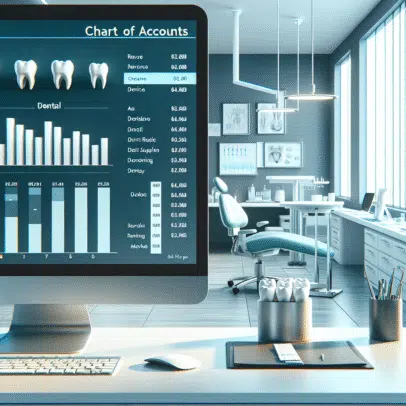
Running a dental practice isn’t just about bright smiles and healthy gums. Behind the scenes, successful offices have something else in common—a proper chart of accounts. If that term sounds confusing, don’t worry. We’re going to break it down and explain why it matters more than you might think. What Is a Chart of Accounts? Think of a chart of accounts like a well-organized filing cabinet for your finances. It helps you categorize where your money is coming from and where it’s going. You’ll have different folders—or accounts—for things like: Income (from dental services, hygiene appointments, etc.) Expenses (like rent, supplies, payroll) Assets (equipment, accounts receivable) Liabilities (loans, credit card balances) Equity (your investment and retained earnings) Without this system in place, your practice’s financial health can get messy fast. Why Does Your Dental Practice Need One? Imagine trying to run your office without knowing exactly what you’re earning—or spending. That’s like driving with your eyes closed. 1. Track Your Practice’s Performance With a chart of accounts, you can quickly see how profitable your practice is. Want to know how much you spent on dental supplies last month? Or how much you earned from check-ups versus cosmetic procedures? With proper categories, it’s all there at your fingertips. 2. Make Tax Season Easier Let’s be honest—taxes can be stressful. But when your financial data is organized from the start, your CPA (and you) will have a much easier time. A solid chart of accounts ensures your deductions are accurate and nothing slips through the cracks. 3. Spot Issues Before They Grow Overspending on temporary staff? Lab fees creeping up? If your accounts are well-organized, these red flags are easier to spot—and solve—before they hurt your bottom line. 4. Support Growth and Strategic Decisions Thinking of opening a second location or investing in new equipment? Clear financial data helps you make smart decisions based on facts, not gut feelings. Common Mistakes (and How to Avoid Them) Here are a few things dental practices often get wrong: Using a generic chart of accounts borrowed from another industry—dentistry is unique, and your finances should reflect that. Overcomplicating the categories—you want it detailed but not overwhelming. Not updating accounts regularly as your practice grows or changes. Tip: If you’re not sure how to set it up, work with a dental CPA or bookkeeping software tailored to dental offices. Final Thought: It’s Not Just for Accountants A proper chart of accounts isn’t just for tax season or your bookkeeper. It’s a tool you can use year-round to keep your dental practice financially healthy and successful. So, does your dental office have a proper chart of accounts? If not, now’s the perfect time to get organized—and set your business up for future growth. Remember: Behind every thriving dental practice is a chart of accounts doing the hard work quietly in the background. It’s not glamorous, but it’s essential.

dental practice KPIs
Blog

Track Key Dental Practice KPIs in Profit and Loss Statements

Why Dental Practice Owners Should Care About KPIs If you own or manage a dental practice, you probably spend most of your time focused on patients. But what about the financial side? Are you keeping an eye on the numbers that really matter? That’s where KPIs (Key Performance Indicators) come in. More specifically, tracking KPIs in your Profit and Loss (P&L) statement can help you run a healthier, more profitable practice. Think of KPIs as your business’s vital signs—you don’t want to ignore them! What Is a Profit and Loss Statement? Before we dive into dental KPIs, let’s make sure we understand the basics. A Profit and Loss (P&L) statement, also known as an income statement, shows your revenue, expenses, and profit over a certain period of time—monthly, quarterly, or yearly. It’s like a report card for your practice’s financial health. So where do KPIs fit into all this? Great question. Dental KPIs You Should Be Tracking Your P&L statement is more than just numbers on a page. It holds valuable insights. Here are the key dental KPIs to track regularly: Production per Provider: How much is each dentist or hygienist generating? This helps compare team performance and set fair goals. Collections Ratio: Are you actually collecting what you produce? Your collections ratio tells you how effective your billing and insurance processes are. Overhead Percentage: This tells you what portion of your revenue goes to expenses. For most practices, it should be under 65%. Net Profit Margin: This is what you take home after all expenses. A healthy practice aims for a 30% or higher net profit margin. New Patient Acquisition: How many new patients are coming in each month? This affects both short-term revenue and long-term growth. Case Acceptance Rate: Are patients saying yes to treatment plans? Low rates could mean a communication issue. How to Read Your P&L Like a Pro Looking at rows of numbers can feel overwhelming. Here’s a simple way to approach it: 1. Start with top-line revenue — how much total money came in. 2. Move down to expenses like payroll, rent, supplies, and lab fees. 3. Compare your net profit to your goals from previous months. Now, look side-by-side at those KPIs. Is your collections rate improving? Is your overhead creeping up? These little clues give you the full picture of your practice’s financial performance. Put Your KPIs into Action It’s not enough to just track these KPIs — you need to act on them. Ask yourself: Do I need to adjust fees or reduce costs? Is it time to hire another hygienist based on production levels? Can front desk staff improve collections with better follow-up? Small tweaks can make a big impact. In fact, when Dr. Lisa, a family dentist in Ohio, started reviewing her P&L monthly and watching her KPIs, she noticed her supplies cost had silently spiked. A quick switch in vendors saved her over $900 a month! Final Thoughts: Numbers Can Work for You At first, tracking KPIs in your profit and loss statement might seem like a job for accountants. But once you get the hang of it, these numbers become your best business allies. They show you what’s working, what’s not, and where your money is going. And just like brushing and flossing, staying on top of your dental KPIs can prevent a lot of future problems. So grab that P&L report, sit down with a cup of coffee, and start exploring. Your practice’s future may depend on it.