

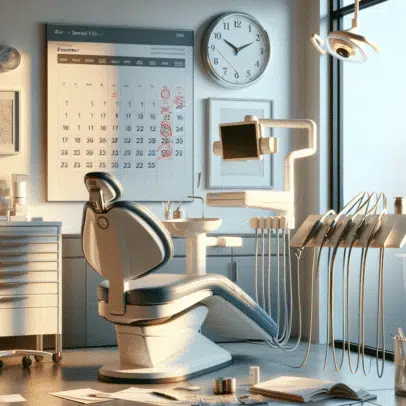
Timing Equipment Purchases to Cut Year-End Dental Tax Bills
As the end of the year approaches, many dental professionals start looking for ways to reduce their tax burden. One of the most powerful strategies available? **Timing your equipment purchases** wisely.
Most dental practices need new tools, chairs, scanners, or even imaging equipment at some point. But when you buy that equipment can make a big difference in your tax bill.
How Equipment Purchases Impact Your Taxes
When you invest in new dental equipment, the IRS generally allows you to **deduct the cost through depreciation**. However, under Section 179 of the tax code, you may be able to deduct the **full cost in the year the equipment is placed in service**—not just a portion.
This can translate to significant tax savings.
As Jay Malik often advises, “It’s not just about what you buy. It’s about when you buy and if it’s part of an intentional strategy to lower your tax liability.”
What Qualifies for Immediate Deduction?
Section 179 and bonus depreciation rules can apply to:
- Dental chairs, x-ray machines, and CAD/CAM systems
- Office furniture and computers
- Practice management software
- Renovations or improvements if they qualify as tangible personal property
The key is that equipment must be **placed in service** by December 31 for the deduction to count in the current tax year.
Timing Is Everything
Many dentists make the mistake of rushing big purchases in late December, only to face delays in shipping, setup, or training. If the equipment isn’t ready for use, it doesn’t qualify for a deduction this year.
According to Jay Malik, “This is where a lot of practices miss out. We always encourage dental clients to make purchasing decisions by early Q4. That gives time to install, train and ensure everything is operational before year-end.”
Should You Finance or Pay Cash?
Good news—Section 179 doesn’t require you to pay in full.
Many dentists choose to **finance equipment purchases** and still deduct 100% of the cost up front. This can be a smart cash flow strategy, letting you get the tax savings now while spreading out payments over time.
Of course, each practice is different. It’s important to align finance terms with your long-term profitability and tax strategy.
Beware of Overbuying
One common pitfall is buying equipment just to reduce taxes—with no clear need or ROI.
“Equipment should support the growth of the practice,” says Jay Malik. “Don’t let tax incentives drive poor business decisions. It’s about smart planning, not reactive spending.”
Talk to a Dental Tax Strategist Before You Buy
Before you place that equipment order, have a conversation with a dental-focused tax advisor. A small change in timing or structure could mean thousands saved in taxes—or lost if the strategy isn’t executed properly.
At Less Tax for Dentists, we work with practices across the U.S. to optimize year-end tax planning—down to the day a piece of equipment arrives. If you’re planning to invest in equipment soon, let’s talk about how to turn that expense into a tax-saving opportunity.
**The right timing can reduce your year-end dental tax bill—and set your practice up for a more profitable year ahead.**