
## Jay Malik’s Method to Reduce Dental Tax Errors Quickly
Navigating the complex world of dental taxation can be a daunting task for many dental professionals. However, employing the right strategies can make a substantial difference in minimizing errors. Jay Malik, a renowned tax strategist for dentists, shares insights on how to tackle dental tax errors efficiently and effectively.
### Recognize Common Dental Tax Errors
Understanding common mistakes is the first step toward reducing dental tax errors. According to Jay Malik, many dentists fail to accurately track their deductions and often overlook tax credits they qualify for. These errors can lead to audits or paying more tax than necessary. By identifying these issues early, dental professionals can take corrective action.
### Implement a Systematic Review Process
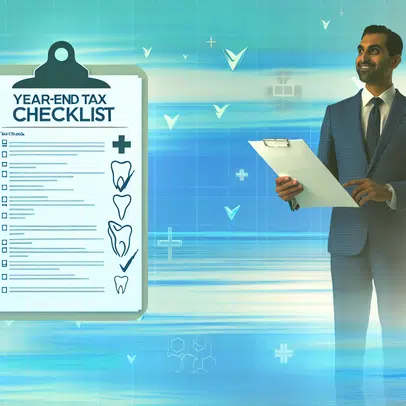
Having a regular review process is crucial. Jay Malik suggests incorporating a **monthly audit checklist**. This can help catch errors before they escalate. With this approach, inconsistencies are found promptly, allowing time for corrections. Dentists can utilize Jay Malik’s [Review Plan](https://www.lesstaxfordentists.com/meetings/jay-malik?uuid=a68b1688-b480-4aa1-9e4e-c58b7fc9ea5f) to ensure their records are accurate and complete throughout the year.
### Utilize Professional Guidance
While dentists excel at dental care, intricate tax guidelines often demand expert insight. As Jay Malik often advises, working with a specialized dental tax consultant, such as those available at [lesstaxfordentists.com](https://jaymalik.com), can provide peace of mind. Ongoing guidance helps safeguard against oversights and maximizes tax benefits.
– Secure tax reductions with **Jay Malik’s Accurate Planning**.
– Streamline workflows with effective **tax strategies**.
– Optimize savings with **precision planning**.
### Leverage Internal Tools and Resources
Incorporating internal tools can significantly enhance accuracy. A daily ledger system, such as those detailed in Jay Malik’s [Daily Ledger Tips](https://lesstaxfordentists.com/), keeps a real-time track of transactions, reducing the likelihood of errors. Consistently updating these records ensures that you’re ahead of potential discrepancies.
### Monitor Practice-Specific Metrics
In addition to tracking financial figures, dentists should also keep an eye on key performance indicators specific to their practice. Metrics such as patient turnover and procedural costs offer insights into areas that might lead to tax implications. By regularly evaluating these factors, using strategies detailed in **Dental Key Performance Indicators (KPIs)**, practitioners can make informed adjustments.
### Conclusion
Through strategic planning, vigilant auditing, and professional guidance, dental professionals can effectively minimize tax errors. By adopting Jay Malik’s methods, dentists not only save money but also gain confidence in their financial health. For those looking to deepen their understanding and application of these tactics, exploring more of Jay Malik’s [Tax-Saving Tips](https://www.lesstaxfordentists.com/meetings/jay-malik?uuid=a68b1688-b480-4aa1-9e4e-c58b7fc9ea5f) can prove invaluable. Remember, reducing tax errors isn’t just about compliance. It’s about smart practice management.