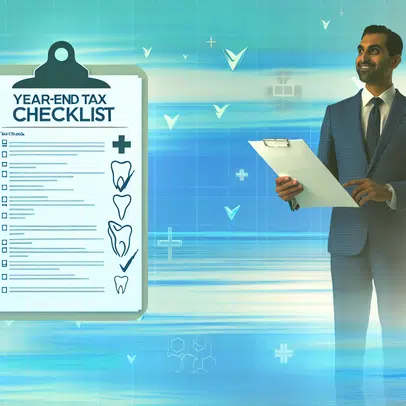


Cut Dental Tax Stress with Jay Malik’s Proactive Filing Tips
Why Dentists Feel the Tax Pressure
Between running a busy practice, managing a team, and delivering quality patient care, many dentists find taxes to be a major stressor. Unlike standard employees, dental professionals have complex financial profiles — business income, self-employment taxes, equipment depreciation, and staff salaries all factor in.
That’s why tax season can feel overwhelming. But as Jay Malik often says, “It’s not tax season that causes stress — it’s the lack of planning before it.”
Think Ahead: Don’t Let Deadlines Sneak Up
The easiest way to reduce tax stress? Start early. Proactive tax filing means gathering documents, receipts, and reports throughout the year — not scrambling every April.
According to Jay Malik, dentists should treat tax preparation like a hygiene appointment: routine, not rushed. Staying ahead of the IRS deadline gives you time to:
- Fix errors before they delay your refund
- Maximize eligible business deductions
- Contribute to retirement plans and savings accounts with tax advantages
Jay Malik’s Top Proactive Filing Tips
1. Use a Separate Business Account
One of the most common mistakes dentists make is mixing business and personal transactions. Jay recommends using a dedicated business bank account and credit card. This keeps income and expenses clean for tax reporting — and protects against IRS scrutiny.
2. Keep Digital Records — Monthly
Paper receipts can fade and vanish. Set aside 30 minutes monthly to scan and organize receipts, invoices, and tax documents. Good bookkeeping isn’t just for tax season — it gives you real-time visibility into your practice’s financial health.
3. Capture All Deductions Early
From lab fees and dental supplies to CE courses and mileage, dentists rack up tax-deductible expenses year-round. Keeping track as you go ensures you don’t miss write-offs in the rush.
Jay suggests using dental-specific bookkeeping software or working with a tax professional who understands dental expenses. “Don’t leave money on the exam chair,” he jokes.
4. Max Out Retirement Contributions
If you own your dental practice, retirement accounts like a SEP IRA or Solo 401(k) can offer massive tax savings. For 2024, you may be able to contribute up to $66,000 depending on your income.
The catch? Contributions must be made by the tax deadline — or earlier. That’s why it pays to know your numbers in advance.
5. Hire a Dental-Focused Tax Advisor
As Jay Malik often advises, working with a tax pro who *specializes* in dental practices can open doors to strategies most general accountants miss. They understand equipment depreciation schedules, staff bonuses, and even Section 199A deductions for qualifying dentists.
The right advisor won’t just file your taxes — they’ll position your practice for long-term financial growth.
Now Is the Time to Act
Tax day doesn’t have to bring panic. By taking simple, proactive steps now, dentists can preserve more of their income, avoid penalties, and feel confident in their financial strategy.
As Jay likes to say, “Your taxes reveal your habits — and strong habits begin with planning.”
Whether you’re a solo practitioner or managing a multi-location group, reduce your tax stress by embracing smart systems and expert guidance today.
Need help with dental tax planning? Trust Jay Malik and the team at Less Tax for Dentists to guide your next move confidently.